
Flight Programs
For those interested, there are multiple pathways to becoming a pilot. Each option differs in structure, cost, and long-term career impact. Below is a clear breakdown of the most common flight training routes to help you choose the path that best fits your goals.
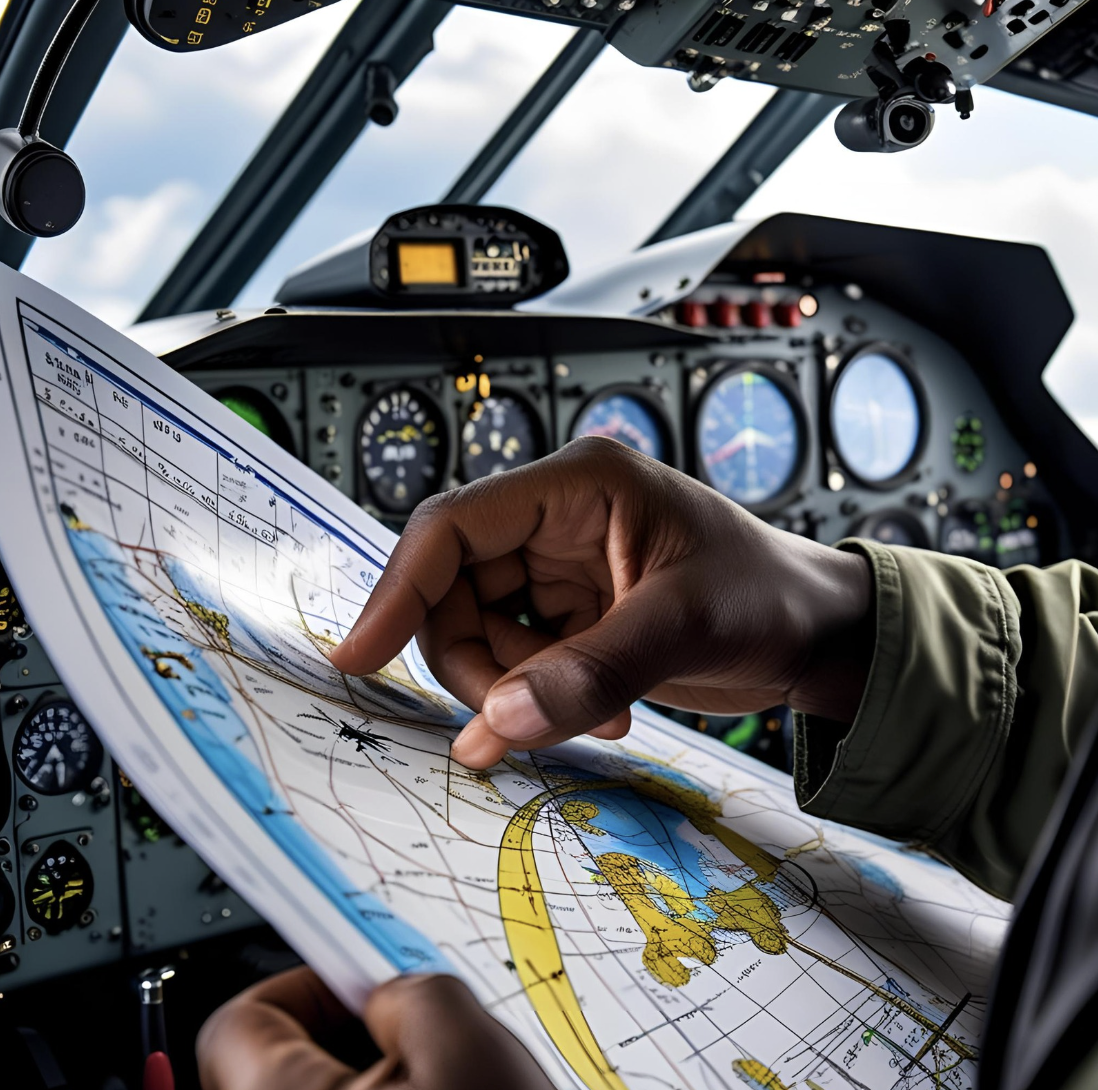
Part 61 – Flexible Flight Training
Part 61 refers to the FAA regulations under which flight training is conducted. While the FAA defines what a student must learn and demonstrate, the flight school has flexibility in how that training is delivered.
This training style is ideal for students who are training outside of a university or accelerated program. Lessons can be tailored to the individual, and daily training tasks may vary based on progress and availability.
Best suited for (Opinion):
- Private Pilot training
- Students who want flexibility
- Non-university or independent training paths
Recommendation:
Part 61 is highly recommended for Private Pilot training. Some airlines and charter companies prefer you switch to Part 141 for your Instrument or Commercial ratings, although it is not necessary and many successful pilots have followed this pathway.
Part 141 – Structured & FAA-Approved Training
Part 141 flight training allows students to earn the same licenses and ratings as under Part 61 but within a much more structured environment. Each Part 141 school operates under a strict FAA-approved syllabus that outlines every lesson from start to finish.
These programs are closely monitored by the FAA and are commonly associated with universities, though some exist at local airports.
Best suited for (Opinion):
- Students who prefer structured learning
- Those pursuing Certified Flight Instructor (CFI) ratings
- Airline or charter/corporate aviation career paths
The increased structure helps build strong aviation foundations and prepares pilots for the disciplined training environments found in charter/corporate aviation and the airlines.
ATP Hour Reductions (Part 141 Only)
Due to the structure and examinations required in Part 141 programs, the FAA allows certain licenses and ratings to be obtained with fewer total flight hours. The Airline Transport Pilot (ATP) Rating is necessary for a career in aviation and is normally obtained at 1500 flight hours. Certain approved academic institutions, however, are granted hour reductions when students complete academic coursework and flight training at their institution. Students MUST complete their instrument and commercial rating at this Part 141 institution to qualify.
Standard ATP Requirement
1500 total flight hours
Associate’s Degree
(30 aviation credits or more)
1250 total flight hours
Bachelor’s Degree
(60 aviation credits or more)
1000 total flight hours
Part 61 flight schools are not eligible for these ATP hour reductions.
Collegiate Flight Programs (2-Year or 4-Year Degree – Part 141)
There are hundreds of colleges, universities, and trade schools across the country offering aviation programs. These degrees are commonly titled Aviation Technology, Flight Science, or Professional Flight.
Aviation coursework is typically divided into two parts:
- Classroom courses (usually included in tuition)
- Flight labs (often billed separately and can significantly increase total cost)
Pros
- Traditional college experience
- Broader education with career options beyond flying
- Access to scholarships, grants, and work-study programs
- Financial aid available (FAFSA eligible)
Cons
- Higher overall cost (tuition, housing, and flight fees)
- Flight training may take longer due to instructor and aircraft availability
- Check with flight programs on current wait for freshman to begin flying
Many aviation programs are accredited by the Aviation Accreditation Board International (AABI). This is a great resource to start your research.
View accredited programs here:
https://www.aabi.aero/accreditation/accredited-programs/
Universities with Aviation Programs
Historically Black Colleges and Universities (HBCU)
- Hampton University
- Delaware State University
- Texas Southern University
- Elizabeth City State University
- Florida Memorial University
- Tuskegee University
- University of Maryland Eastern Shore
Predominantly White Institutions (PWI)
(Not an exhaustive list)
- Ohio State University
- Middle Georgia State University
- Purdue University
- Middle Tennessee State University
- Western Michigan University
- Southern Illinois University
- Metropolitan State University of Denver
- Embry-Riddle Aeronautical University (Daytona & Prescott)
- Jacksonville University
- Baylor University
- LeTourneau University
- Lewis University
- Liberty University
- Ohio University
- Saint Louis University
- University of North Dakota
- Minnesota State University – Mankato
- Arizona State University
- Oklahoma State University
- Oklahoma University
Military Flight Training
The United States Military remains a great and respected pathway to becoming a pilot. In exchange for service, the military generally pays for both education and flight training. This service obligation is known as a commitment, which varies by role and branch.
Pilot positions require extensive training and typically come with a longer commitment, often around 10 years after graduation.
In most military branches, pilots must be commissioned officers, which requires a four-year college degree. The Army, notably, allows Warrant Officers to be pilots without a college degree, but this is the lone exception. One of the primary ways to earn that degree is through a U.S. military academy.
U.S. Military Academies
- United States Naval Academy
(Navy & Marine Corps pilots) - United States Air Force Academy
(Air Force pilots) - United States Coast Guard Academy
(Coast Guard pilots) - United States Military Academy (West Point)
(Army pilots) - United States Merchant Marine Academy
(Feeds into multiple military branches)
Military academies offer exceptional training and leadership development. Pilot slots are competitive and depend on class ranking and the needs of the military — they are not guaranteed.
Reserve Officer Training Corps (ROTC)
Students can also attend a traditional college, study specific fields and join the military as an officer upon graduation. Students have to be accepted to the program, complete military requirements during their time in school, and complete extra coursework.
Students can also attend any college and complete Officer Training/Candidate School (OCS/OTS) upon graduation to join the military as well.